Korean War Marine Vet, psychiatrist talks PTSD
Rich Zimmerman was only 18 when he deployed as a young Marine to Korea. He experienced the agonizing horrors -- and even the heartfelt humanity -- of war. He visits the Milwaukee VA to tell his story, so he may help other Veterans of all eras.
Military veterans and the public are invited to a special presentation on Post Traumatic Stress Disorder and ways to heal, noon Monday at the Milwaukee VA Medical Center.
Retired Navy Capt. Richard C. Zimmerman, who served as an enlisted Marine during the Korean War, and later became a Naval officer and psychiatrist, will speak about his personal experiences, noon in the Matousek Auditorium. There is no cost for the event, and VA mental health clinicians will be on hand to speak with veterans who may need assistance.
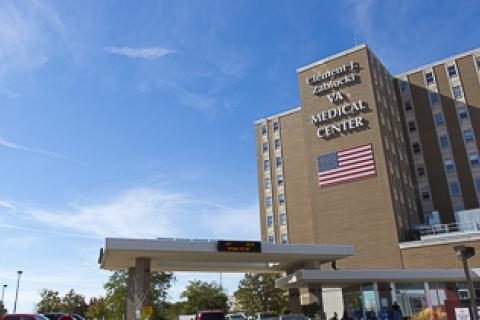
The VA is located at 5000 W. National Avenue in Milwaukee.
Zimmerman saw extensive combat and lost many friends during the Korean War, where he served as a mortar man. He became a chaplain’s assistant during the war, and traveled the country helping with outreach and ministry of servicemen, as well as those in the Korean community.
His presentation includes a slide show of his work in Korea.
“His stories about the losses he suffered and the outreach and humanity we showed as a nation are very touching,” said Dr. Mike McBride, a Naval officer who serves as a VA psychiatrist and has deployed multiple times to Iraq. “What it shows is the men and women of the military do a lot more than just go to war.”
McBride said Zimmerman will share his own personal stories, particularly how he, too, dealt with Post Traumatic Stress. Shortly after returning from war, he and some military friends were walking down the street when they heard a car backfire and they all jumped into a muddy gutter. Later, while snoozing at his home, his mother tried to wake him and he jumped and started choking her before realizing who it was.
“When he tells these stories, he still gets choked up, because it is still emotional for him,” McBride said. “Part of his message is, ‘That’s OK.’ We need to express these feelings and realize while it might be a painful reality, we can learn to manage.”
Though Post Traumatic Stress gets a lot of attention today, it has always been a reality of war, McBride said.
“We just hear about it more,” he said. “It always existed, but we didn’t call it that. In the past, during the Civil War, people fought during the day and did therapy around the campfire. From World War I on, they were shelled day and night, and that changed. At least during the Korean War, people had the long boat ride home, and Captain Zimmerman talks about how they would sit on the deck and play cards. If someone got sad or angry, they’d help them work through it. That helped.
“Then, in Vietnam, it was the worst case imaginable. Our soldiers came home and weren’t welcomed home, and that was painful. They might be in the middle of combat on Friday, the last day of their tour, then they were on a helicopter and back walking the streets of Milwaukee by Monday, with no chance to decompress.
“We’re learning more, and we’re here to help people. We hope veterans from all eras will come to this event, and they can learn about themselves and how we can help them.”
By Gary J. Kunich